
साउन २७, काठमाडौँ । नेपाल मेडिसिटी अस्पतालका प्रमुख कार्यकारी अधिकृत (सीईओ) डा. अमित तोमरले नेपाललाई मेडिकल हबका रूपमा विकास गर्न अस्पतालहरूबीच सहकार्य आवश्यक रहेको बताएका छन् । नेपाल न्यूज बैंकसँगको कुराकानीमा डा. तोमरले नेपालमा स्वास्थ्य सेवा विस्तारको गति तीव्र रहेको र नयाँ प्रविधि भित्रिने क्रम बढेकाले स्वास्थ्य क्षेत्रमा ठूलो सम्भावना रहेको बताए।
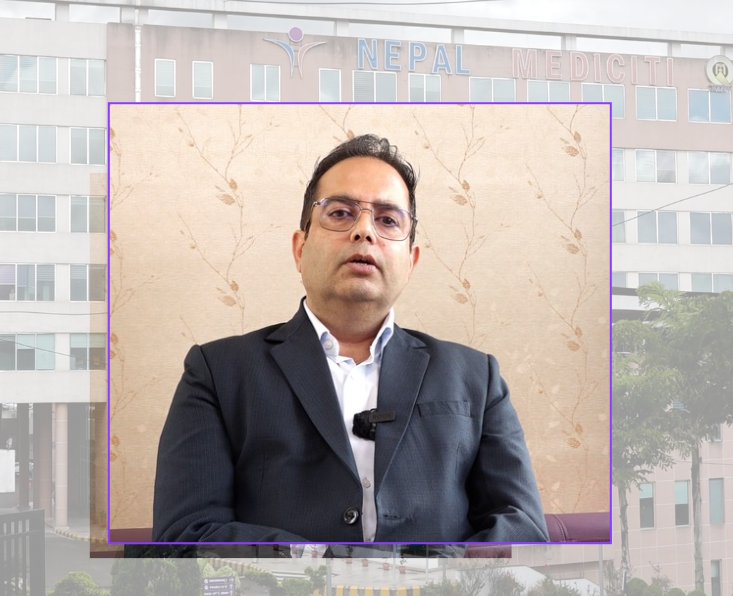
‘अहिले नेपालमा स्वास्थ्य सेवा विस्तारको गति तीव्र रूपमा बढिरहेको छ । पछिल्लो बर्ष नयाँ अस्पतालहरू खुलेका छन् र स्वास्थ्य सेवामा हरेक दिन नयाँ प्रविधिहरू भित्रिइरहेका छन्। त्यसैले आउँदो समयमा हेल्थकेयर म्यानेजमेन्टका विद्यार्थीहरूका लागि यहाँ धेरै ठूलो सम्भावना छ,’ उनले भने।
अस्पताल व्यवस्थापनमा सफल हुन सञ्चार, बिरामी सुरक्षा र स्वास्थ्य सेवाको गुणस्तरमा विशेष ध्यान दिनुपर्ने उनको भनाइ छ । एआईको विकाससँगै स्वास्थ्य क्षेत्रमा पनि नयाँ व्यवस्थापन प्रणाली र प्रविधिको आवश्यकता बढ्दै गएको उनले बताए।
‘व्यवस्थापनमा सफलताको साँचो सञ्चार हो। स्वास्थ्य सेवामा आफ्ना साझेदार, बिरामी र बाह्य सरोकारवालासँगको सञ्चार अत्यन्त महत्वपूर्ण हुन्छ,’ उनले भने ।
एआइको प्रयोगबारे उनले स्वास्थ्य क्षेत्रका विद्यार्थी तथा व्यवस्थापकहरू प्रविधिमैत्री बन्नुपर्ने बताए।
‘एआइको आगमनसँगै यो क्षेत्र निकै फराकिलो भएको छ । आज काम गरिरहेको कुराले भोलि काम नगर्न सक्छ। त्यसैले उनीहरू एआईको बारेमा अपडेटेड हुनुपर्छ र एआई प्रणाली कसरी चलाउने भनेर सिक्नुपर्छ। अन्ततः भविष्य त्यही नै हो,’ उनले भने।
अस्पतालका हरेक निर्णय बिरामी केन्द्रित हुनुपर्नेमा जोड दिँदै उनले बिरामीको अनुभव र उपचारको परिणामलाई प्राथमिकतामा राख्नुपर्ने बताए।
अस्पताल सञ्चालनमा प्रणाली र प्रक्रियाको महत्वपूर्ण भूमिका हुने भन्दै उनले व्यवस्थापन तहमा रहेका व्यक्तिले त्यसलाई राम्रोसँग बुझ्नुपर्ने बताए। निर्णय प्रक्रियामा धेरैभन्दा धेरै व्यक्तिलाई सहभागी गराउँदा प्रभावकारी निर्णय लिन सकिने उनको भनाइ छ।
नेपाल मेडिसिटीले बिरामी सुरक्षा र स्वास्थ्य सेवाको गुणस्तरलाई प्राथमिकतामा राखेको उनले बताए । अस्पतालमा छुट्टै गुणस्तर तथा बिरामी सुरक्षा विभाग रहेको र विभिन्न प्रणाली तथा प्रक्रियाको नियमित अडिट गरिँदै आएको उनले जानकारी दिए।
‘हामी नियमित तालिम दिइरहेका छौँ र नियमित अडिट गरिरहेका छौँ। नेपालकै पहिलो अस्पताल हौँ जहाँ छुट्टै गुणस्तर र बिरामी सुरक्षा विभाग छ । त्यसले संगठनमा भएका विभिन्न प्रक्रिया र प्रणालीहरूको अडिट गर्छ र मानिसहरूले प्रणाली तथा प्रक्रियाको पालना गरिरहेका छन् कि छैनन् भनेर मूल्याङ्कन गर्छ,’ उनले भने।
बिरामी सुरक्षाका लागि संक्रमण नियन्त्रण, सुरक्षित शल्यक्रिया र औषधि सुरक्षामा विशेष ध्यान दिइएको उनले बताए । शल्यक्रियाका क्रममा मानवीय त्रुटि न्यूनीकरण गर्न सुरक्षित सर्जिकल चेकलिस्ट प्रयोग गरिँदै आएको उनको भनाइ छ ।
नेपालमा स्वास्थ्य प्रविधि भित्र्याउन भने केही चुनौती रहेको उनले बताए। भारतलगायत छिमेकी मुलुकमा सहजै उपलब्ध हुने कतिपय प्रविधि नेपालमा ल्याउन समय लाग्ने र अधिकांश उपकरण आयात गर्नुपर्ने भएकाले लागत बढ्ने उनको भनाइ छ।
अस्पतालले आर्थिक रूपमा कमजोर बिरामीलाई उपचारमा सहयोग गर्दै आएको र ग्रामीण क्षेत्रमा निःशुल्क स्वास्थ्य शिविर सञ्चालन भइरहेको उनले जानकारी दिए ।
उनले भने,‘कुनै समय बिरामीले खर्च व्यहोर्न नसकेको अवस्थामा हामी त्यो बिरामीको हेरचाह गर्छौँ। धेरै ग्रामीण स्थलहरुमा स्वास्थ्य जाँच शिविरहरू सञ्चालन गरिरहेका छौँ। ती निःशुल्क छन् ।’
टेलिमेडिसिन सेवामार्फत विदेशमा रहेका नेपालीलाई समेत स्वास्थ्य परामर्श दिइरहेको उनले बताए।
‘हामी टेलिमेडिसिनको प्रविधि भित्र्याउने नेपालका पहिलो अस्पतालहरूमध्येका हौँ। विदेशमा बसोबास गर्ने नेपालीहरू, विशेषगरी सेकेन्ड ओपिनियन चाहने नेपालीहरूलाई नियमित रूपमा टेलिमेडिसिन परामर्श दिइरहेका छौँ,’उनले भने।
नेपाल मेडिसिटीले रोबोटिक शल्यक्रिया सेवा सुरु गर्ने तयारी गरिरहेको समेत उनले जानकारी दिए।
‘हामी रोबोट ल्याउने प्रक्रियामा छौँ। त्यो छिट्टै सुरु हुनेछ र तपाईंले छिट्टै नेपाल मेडिसिटीमा रोबोटिक शल्यक्रियाका सेवाहरू देख्नुहुनेछ,’ उनले भने ।
नेपाललाई मेडिकल हब बनाउन प्रविधिसँगै दक्ष जनशक्तिको उपयोग गर्नुपर्नेमा उनले जोड दिए । विदेशमा रहेका नेपाली चिकित्सक तथा नर्सलाई स्वदेश फर्काएर सेवा दिने वातावरण बनाउन सके नेपालले ठूलो फड्को मार्न सक्ने उनको विश्वास छ।
उनले भने,‘यदि हामीले नयाँ प्रविधि भित्र्याउन सक्यौँ र हाम्रा मानिसहरूलाई विदेशबाट फिर्ता ल्याएर नेपालमै स्वास्थ्य सेवा प्रदान गर्न लगायौँ भने नेपाललाई एउटा ठूलो मेडिकल हब बन्न कसैले रोक्न सक्दैन ।’
नेपाललाई मेडिकल हब बनाउन एउटा मात्र अस्पतालको प्रयास पर्याप्त नहुने भन्दै उनले सबै अस्पताल व्यवस्थापक र सीईओहरूलाई सहकार्यका लागि आग्रह गरे।
000000000
Cooperation Among Hospitals Essential to Make Nepal a Medical Hub: Dr. Amit Tomar
Nepal Mediciti Hospital to Launch Robotic Surgery Services Soon
Kathmandu: Chief Executive Officer (CEO) of Nepal Mediciti Hospital, Dr. Amit Tomar, has said that collaboration among hospitals, adoption of advanced technology and development of skilled human resources are essential to establish Nepal as a regional medical hub.
Speaking to Nepal News Bank, Dr. Tomar said Nepal’s healthcare sector is expanding rapidly, creating significant opportunities for healthcare management professionals.
“Healthcare services are expanding rapidly in Nepal. New hospitals are being established and new technologies are being introduced every day. Therefore, there is a huge opportunity for healthcare management students in the coming days,” he said.
He said healthcare managers need strong skills in communication, leadership, team building, task prioritization, strategic planning, financial and resource management, risk management, patient safety, quality improvement and data-driven decision-making. They must also be capable of managing multidisciplinary teams, resolving conflicts, engaging stakeholders and continuously improving hospital processes.
“Communication is the key to success in management. Communication with healthcare partners, patients and external stakeholders is extremely important,” he said.
Dr. Tomar said the rapid development of artificial intelligence (AI), digital health, automation and data analytics is transforming healthcare management. Professionals therefore need to remain technology-oriented, digitally literate and adaptable to changing systems.
“With the arrival of AI, this field has become much broader. What works today may not work tomorrow. Therefore, they need to stay updated about AI and learn how to operate AI systems. Ultimately, that is the future,” he said.
However, he emphasized that technology must always support the human side of healthcare. Patient safety, quality of care, patient experience and treatment outcomes must remain at the centre of every hospital decision.
Quality and Patient Safety
Dr. Tomar said Nepal Mediciti has made quality and patient safety a core priority, supported by a dedicated Quality and Patient Safety Department that regularly audits systems and processes.
“We conduct regular training and regular audits. We are the first hospital in Nepal to achieve international accreditation for quality and patient safety,” he said.
He said effective hospital management depends on strong systems, clearly defined processes and the involvement of relevant stakeholders in decision-making.
Challenges Facing Nepal’s Healthcare Sector
Dr. Tomar said Nepal still faces several challenges in modernising healthcare. Compared with neighbouring countries such as India, advanced medical technologies can take longer to reach Nepal due to regulatory, logistical and infrastructure-related challenges. Since much of the medical technology and equipment is imported, costs are also higher.
He identified skilled manpower migration as another major challenge. The migration of trained doctors, nurses, technicians and other healthcare professionals makes it difficult to retain specialised expertise and build strong healthcare teams.
He also pointed to limited health insurance coverage and utilisation, which contributes to high out-of-pocket expenditure and can restrict patients’ access to timely and specialised care.
Expanding Digital Healthcare and Robotic Surgery
Dr. Tomar said Nepal Mediciti is using technology to expand access to healthcare for Nepalis both within the country and abroad through telemedicine.
“We are among the first hospitals in Nepal to introduce telemedicine technology,” he said.
He also announced that Nepal Mediciti is preparing to launch robotic surgery services shortly.
“We are in the process of bringing in a surgical robot. It will start soon, and you will soon see robotic surgery services at Nepal Mediciti,” he said.
He said advanced technologies such as robotic surgery can further strengthen Nepal’s ability to provide sophisticated treatment within the country.
Bringing Talent Back and Working Together
Dr. Tomar stressed that technology alone cannot make Nepal a medical hub. The country must also create opportunities for Nepali doctors, nurses, technicians and other healthcare professionals working abroad to return and contribute to the domestic healthcare system.
“If we can bring in new technologies and bring our people back from abroad to provide healthcare services in Nepal, I believe no one can stop Nepal from becoming a major medical hub,” he said, adding that Nepali medical professionals are recognised internationally for their dedication and compassionate patient care.
He also emphasized that no single hospital can achieve this vision alone.
“Cooperation among hospitals is essential. We need to work together, share knowledge and build a stronger healthcare ecosystem,” he said.
According to Dr. Tomar, Nepal must first build the capacity to retain its own patients by providing international-standard healthcare, advanced technology, quality and patient safety, and compassionate care.
“Once we are able to retain our own patients and build confidence in our healthcare system, we can gradually attract patients from other countries as well,” he said.
He said a combination of skilled human resources, advanced technology, quality and patient safety, strong hospital collaboration and Nepal’s tradition of compassionate care can position Nepal as an emerging medical hub in the region.